Simple Home Garden Ideas To Transform Your Outdoor Space
You do not need a huge yard to enjoy a beautiful garden.
A few smart choices can turn a balcony, patio, or small patch of lawn into a peaceful green retreat.
In this guide, you will find garden ideas for front yards, backyards, courtyards, balconies, and tiny side yards. We will look at simple planning steps, easy plant combinations and styling tricks that work for beginners.
By the end, you will know how to read your space, choose a style, and build a garden that suits your home and your daily routine.

First Steps: How To Plan Your Home Garden
Before you buy plants or decor, spend time understanding your space.
Good planning helps every later decision feel easier and less random.
Understand Your Space And Light
Measure your garden, patio, or balcony, even with a simple tape.
Sketch the basic shape, including doors, paths, windows, and existing trees.
Watch the light at different times of day.
Note which areas get full sun, part shade, or deep shade.
Check where water collects after rain and where soil dries quickly.
Notice wind tunnels, hot walls, and pleasant sheltered corners.
These observations tell you what will grow well and where.
Decide The Main Purpose Of Your Garden
Choose one or two main goals before you plan the details.
Do you want a calm retreat, a play space, food, flowers, or entertaining?
List your top priorities in order, such as privacy, seating, herbs, or low care.
Set a rough budget and how much time you can give each week.
Your purpose guides plant choices, furniture, and path positions.
It keeps you from filling the garden with unrelated ideas.
Pick A Simple Garden Style To Guide Choices
Select one overall style to act as a filter.
Good options include modern, cottage, coastal, Mediterranean, or woodland-inspired.
Look through photos and save images you love repeatedly.
Notice common threads, such as loose planting, clipped shapes, or neutral materials.
Use your chosen style to steer colors, plant types, and decor.
This prevents the garden from feeling busy and disconnected over time.
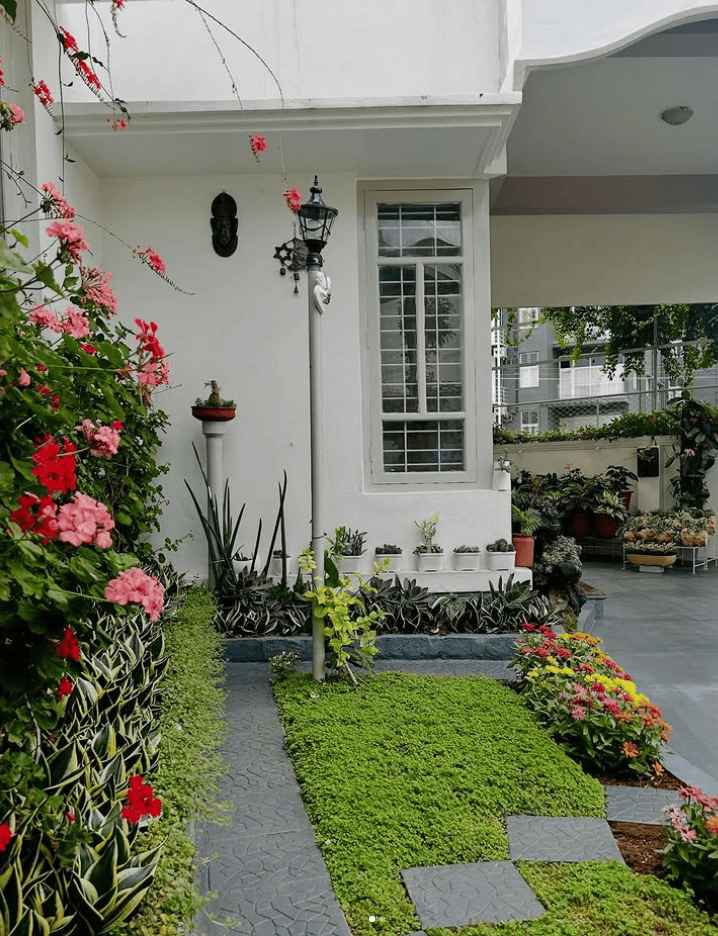
21 Home Garden Ideas For Every Size And Budget
1. Micro Gardens For Courtyards, Side Yards, And Tiny Patios
Use the edges first, not the middle of the space.
Line fences, walls, and railings with slim raised beds or trough planters.
Choose a simple palette of shrubs, grass and a few flowering plants.
This keeps the space calm instead of cramped.
Add one compact bench or bistro set, not bulky furniture.
Tuck it against a wall so you keep floor space open.
Use outdoor rugs, lanterns, and cushions to add color and softness.
You will feel like you created an extra room outside.
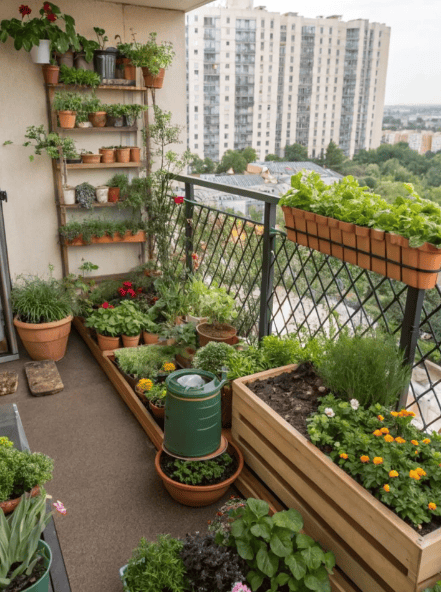
2. Balcony And Apartment Garden Ideas
Pick lightweight containers that suit your building rules and weight limits.
Use railing planters, hanging baskets and narrow pots along the edges.
Grow herbs, salad greens and compact vegetables in the sunniest spots.
Add trailing plants that soften railings and draw the eye downward.
Lay an outdoor rug to define a tiny seating area.
Add a small chair and side table for coffee or reading.
Use battery or solar lanterns for evening light.
They create a cozy mood without wiring.
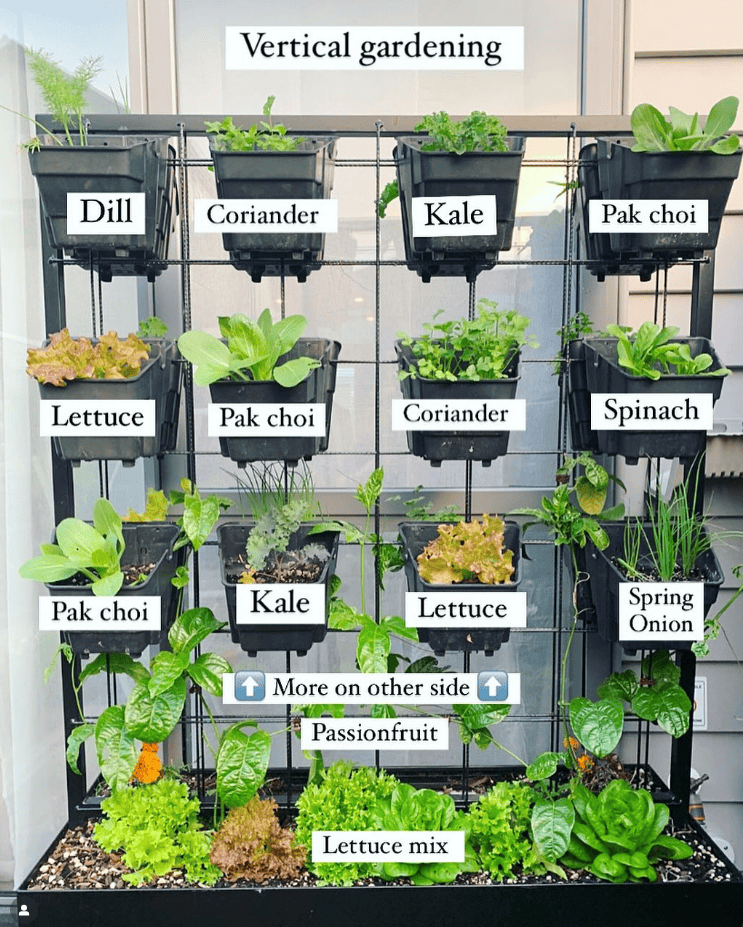
3. Vertical Garden Ideas For Small Spaces
Treat walls and fences like blank canvases for greenery.
Install trellises, wall planters, or pocket systems to lift plants upward.
Grow climbers like jasmine, clematis, or ivy to cover bare surfaces.
Mix them with herbs, strawberries, and trailing flowers in pockets.
Layer heights, tall climbers, mid-level pots, and low ground covers.
This creates a full look without stealing floor space.
Keep containers grouped and repeat materials and colors.
Your small garden will feel designed, not cluttered.
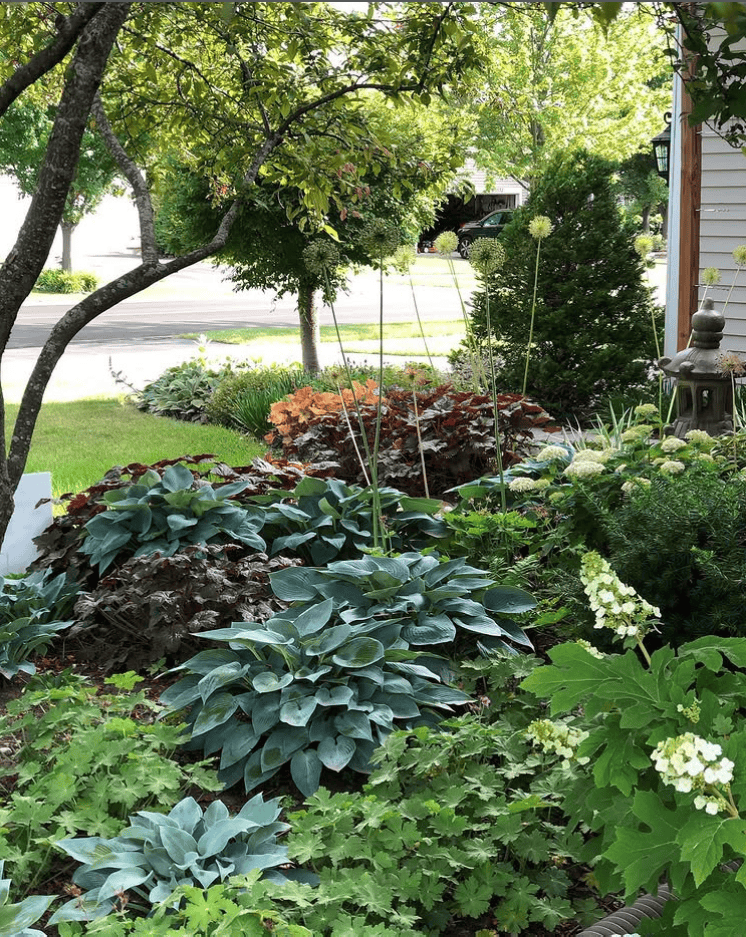
4. Welcoming Entry Gardens
Frame your front door so it feels like a destination.
Use a pair of planters on either side of the entrance.
Fill them with a small evergreen, trailing flowers, and seasonal color.
Repeat the same plants along the path for a pulled-together look.
Line walkways with low plants that gently guide guests.
Think lavender, boxwood, dwarf grasses, or hardy ground covers.
Add soft lighting along steps and paths for safety and glow.
Lanterns, solar stakes, and sconces all help entries feel warm at night.
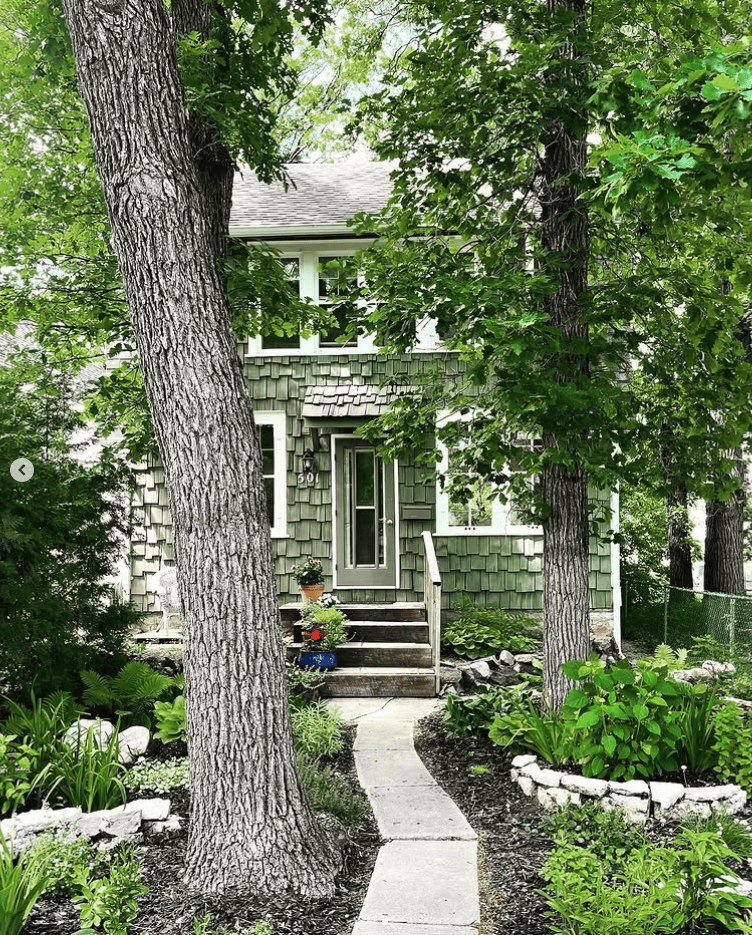
5. Low-Maintenance Front Yard Planting
Aim for a simple structure that looks good all year.
Start with foundation shrubs along the base of the house.
Choose a mix of evergreen and flowering shrubs for long interest.
Fill gaps with long-blooming perennials and easy grasses.
Use a thick layer of mulch to reduce weeds and watering.
Curved beds soften straight drives and walkways without adding complexity.
Keep lawn areas smaller and easier to mow.
Let the planting do most of the visual work, not the grass.
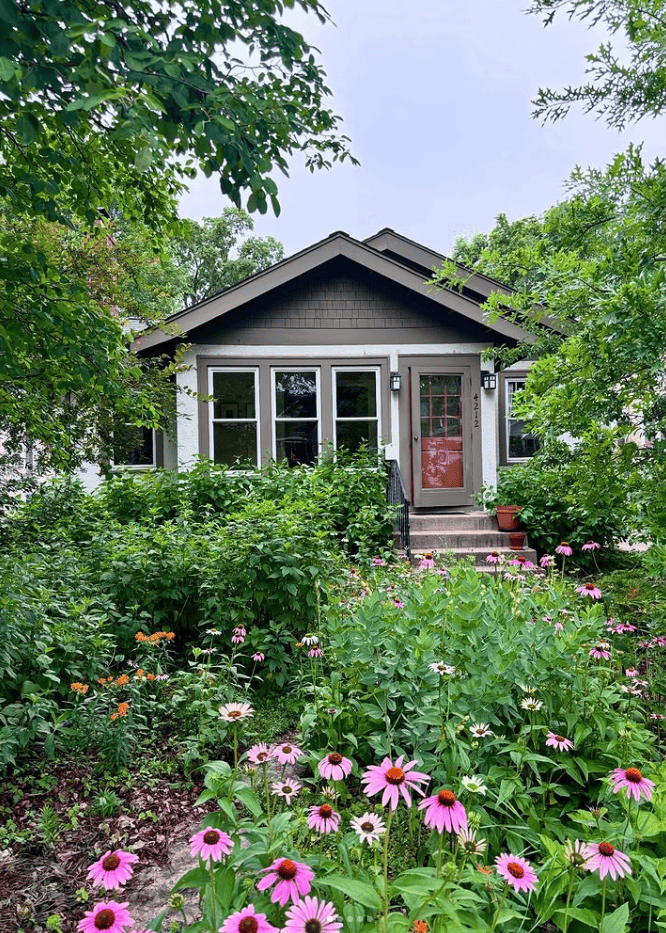
6. Front Yard Privacy And Screening Ideas
Use layered planting instead of one solid wall of shrubs.
Combine small trees, tall shrubs, and lower plants for a natural screen.
Place taller plants closer to the street, with lower ones nearer the house.
This keeps sightlines open from windows while blocking busy views.
Add trellises with climbing roses, jasmine, or clematis beside porches.
They give gentle privacy and a lovely scent near seating.
Consider decorative screens near seating areas or windows.
Soften them with pots, vines, and low shrubs so they blend into the garden.
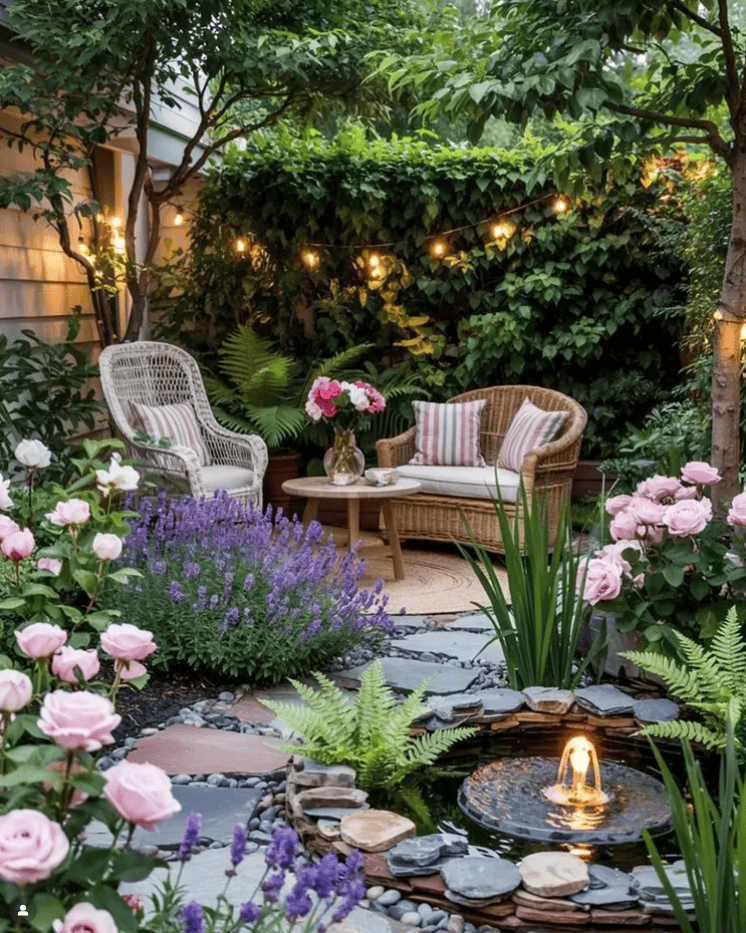
7. Create Outdoor/backyard Rooms With Planting
Divide your yard into simple zones with clear purposes.
Common zones include dining, lounging, cooking, and play.
Use hedges, tall grass, and planter boxes as soft walls.
They define areas without heavy fences everywhere.
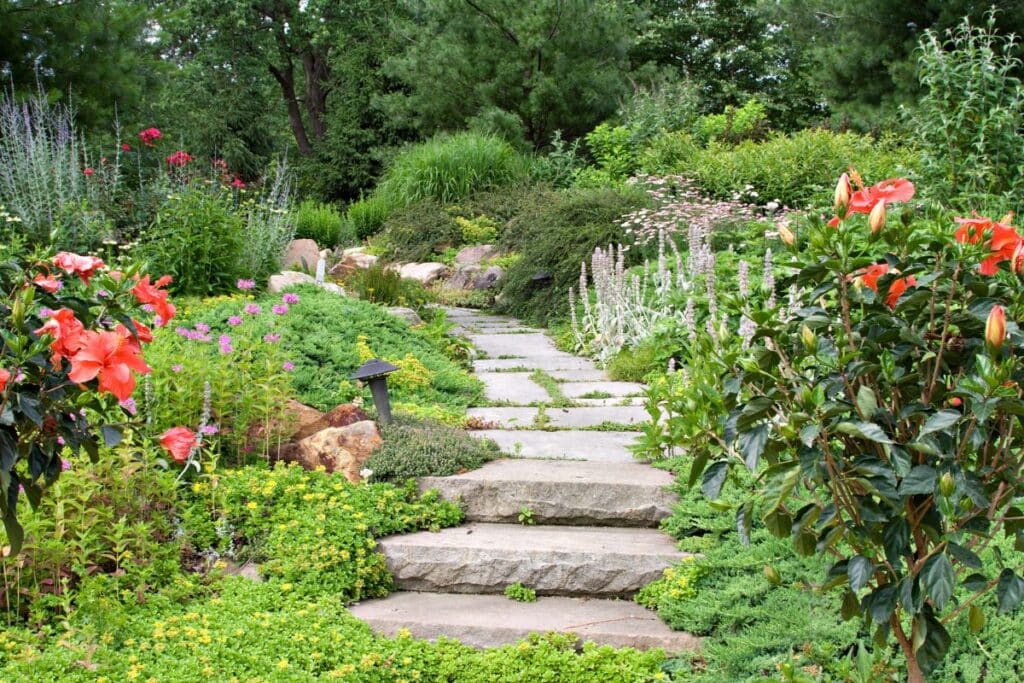
Lay simple paths that connect each zone naturally.
Gravel, stepping stones, or pavers all work well.
Place seating where you see the nicest views.
Frame those views with trees, shrubs, and flowering plants.
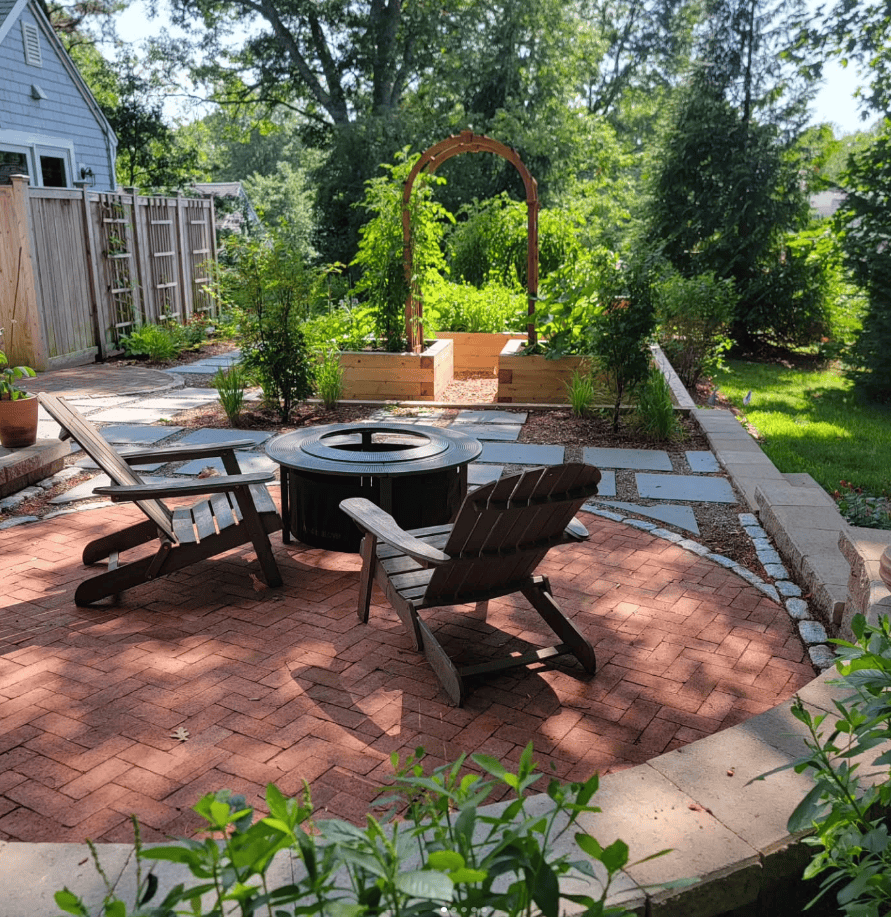
8. Cozy Seating Nooks And Fire Pit Corners
Tuck small seating areas in less used corners.
A bench, two chairs or a small sofa all work.
Surround the nook with scented plants and soft grasses.
Lavender, rosemary and ornamental grasses add movement and fragrance.
Create a fire pit corner if rules allow.
Use gravel or stone beneath for safety and easy care.
Add lanterns, string lights, and cushions for evening use.
You will actually step outside and enjoy the garden more.
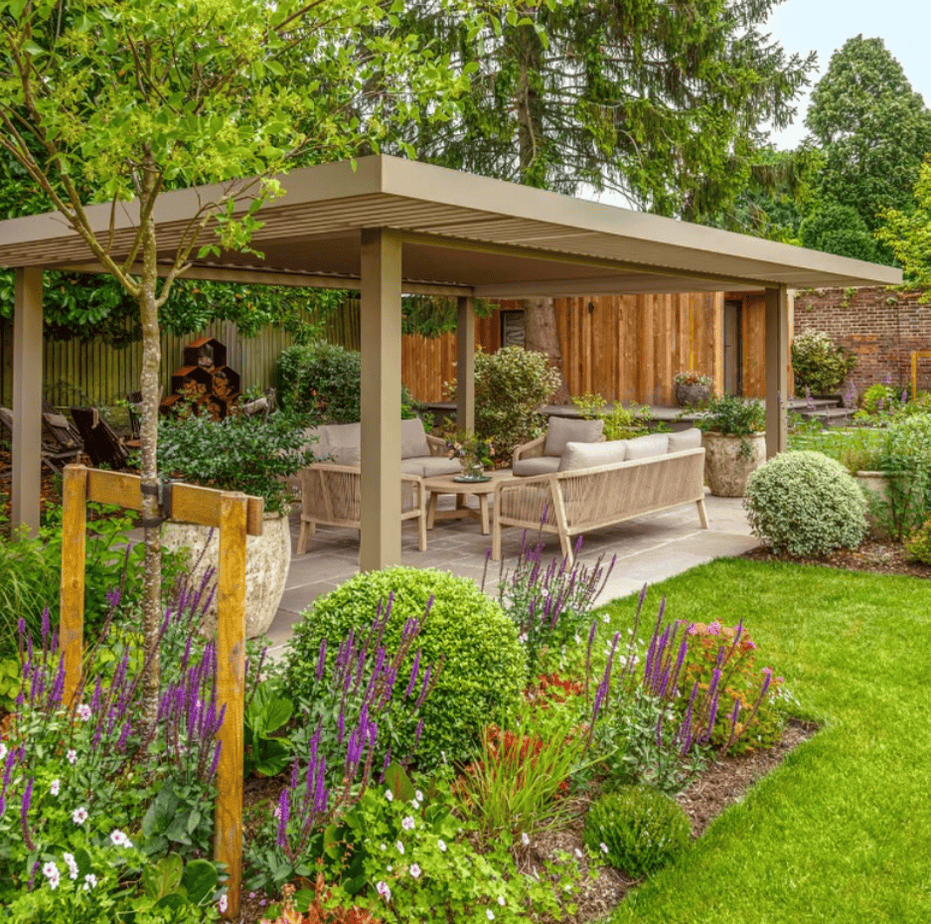
9. Family-Friendly Garden Ideas
Keep a simple, open area for kids or pets to play.
Place it where you can see it from the house.
Use raised beds along the edges for vegetables and herbs.
Involve children in planting and harvesting simple crops.
Choose tough plants near paths and play zones.
Look for varieties that handle balls, scooters, and regular foot traffic.
Store toys, garden tools, and cushions in outdoor boxes or benches.
This keeps the yard tidy and ready for quick play or relaxing.
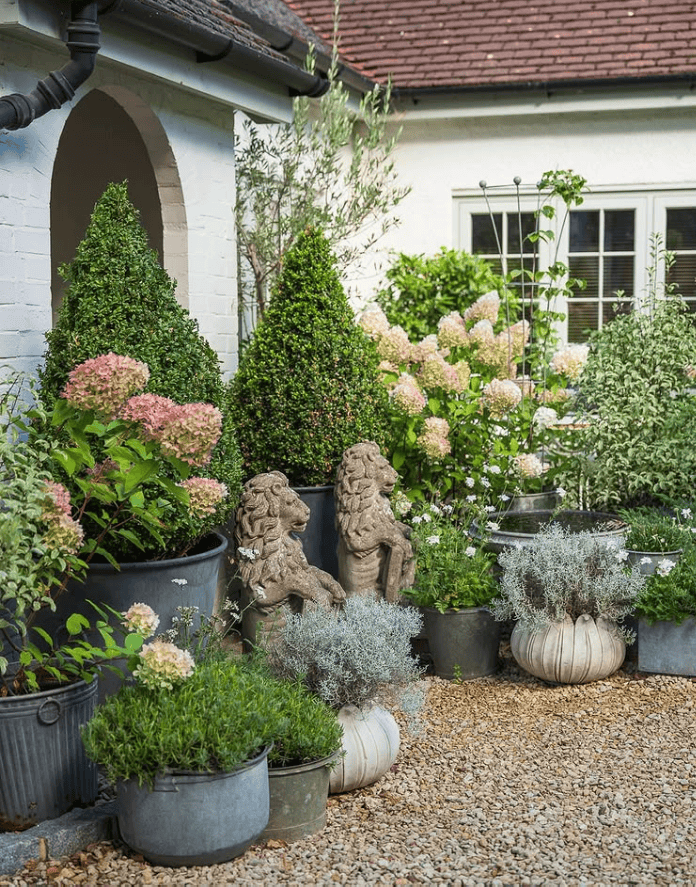
10. Mixed Container Planting For Color All Season
Use the simple formula: thriller, filler, spiller.
Choose one tall feature plant, one medium plant, and trailing plants per pot.
Combine different leaf shapes and textures, not just flowers.
Mix upright grasses, leafy coleus, and trailing ivy or lobelia.
Pick plants that like the same sun and water.
Refresh tired annuals through the season to keep pots full.
Group containers in threes for more impact.
Vary heights with stands, steps, or upturned pots.
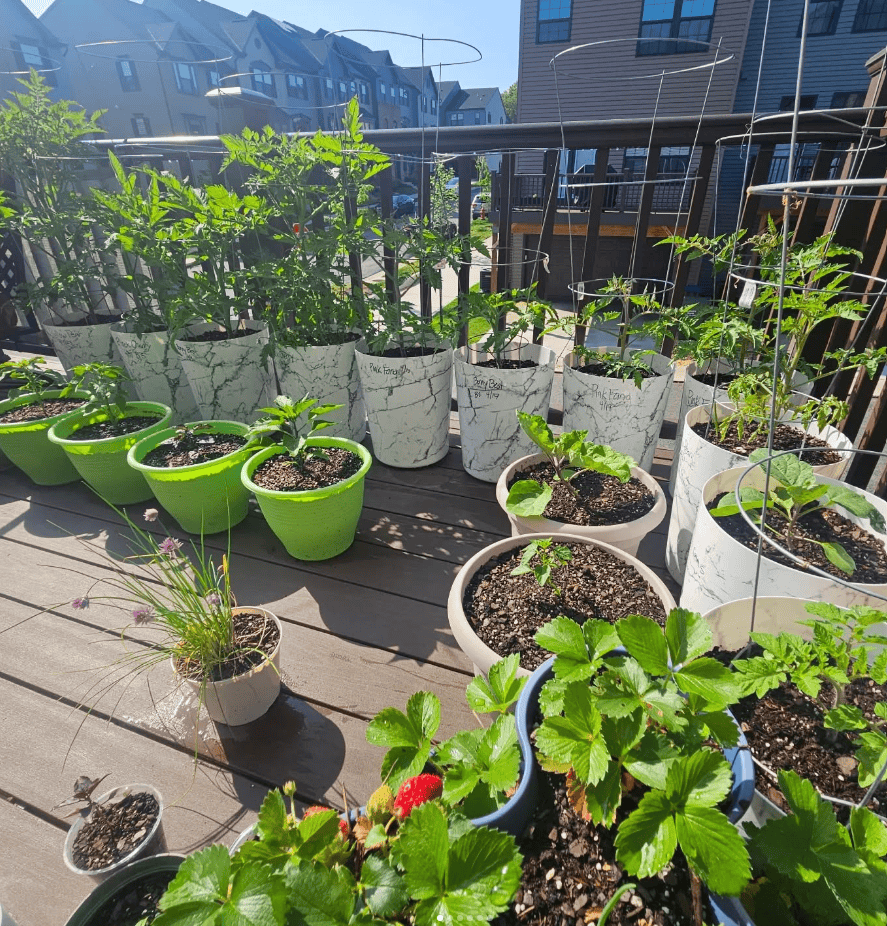
11. Matching Pots For A Calm, Pulled Together Look
Choose two or three pot colors or materials.
Good options include terracotta, black, gray, or textured stone.
Repeat the same style along paths, steps, and seating areas.
This repetition makes mixed planting feel more intentional.
Use larger pots near doors and main seating.
Keep smaller ones on tables, steps, and low walls.
Matching containers help busy planting schemes feel calmer.
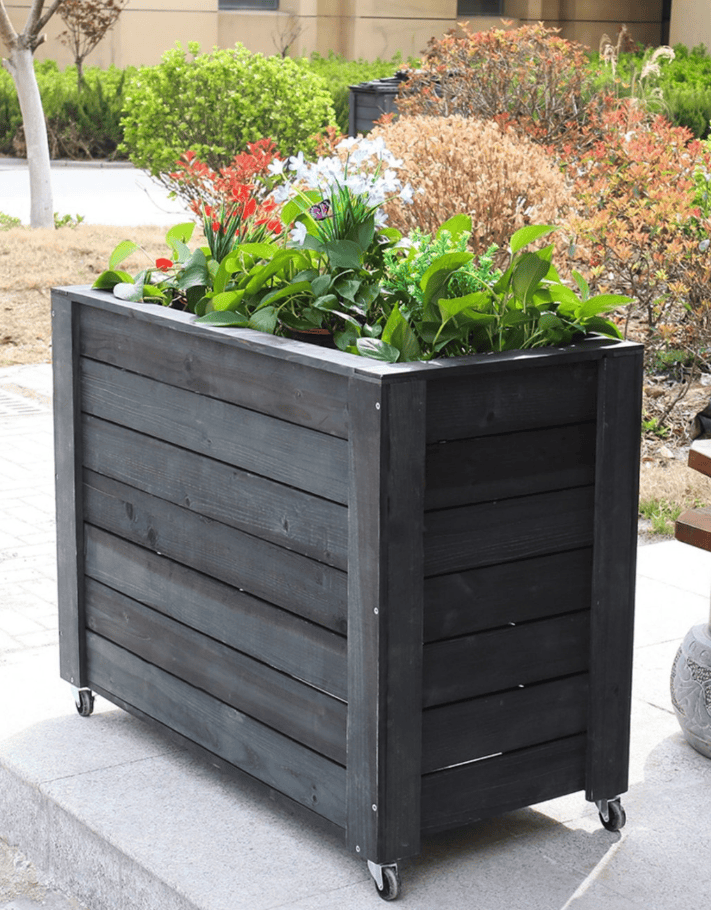
12. Mobile Gardens For Renters And Flexible Spaces
Use pots on wheels if you move furniture often.
They let you shift plants for parties or a stronger sun.
Group smaller containers on trays or low trolleys.
You can slide entire displays aside for cleaning.
Pick tough plants that tolerate occasional moving.
Examples include herbs, small grasses, and compact shrubs.
If you rent, focus on containers and freestanding pieces.
You can take your whole garden with you when you leave.
13. Easy Kitchen Herb Gardens
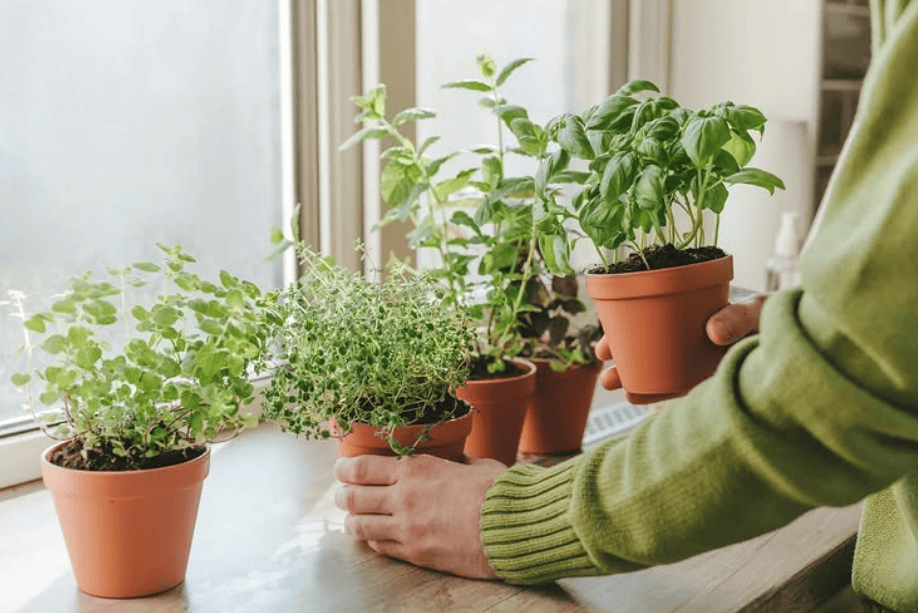
Begin with herbs you actually cook with often.
Good starters include basil, parsley, thyme, chives, rosemary, and mint.
Plant herbs in pots near the kitchen door or on a sunny step.
You will remember to snip them more when they sit in sight.
Use one herb per pot or group herbs with similar water needs.
Place thirsty herbs together and tougher ones, like rosemary, in drier spots.
Choose attractive containers so the herb area looks decorative.
Terracotta, woven baskets with liner,s and simple white pots all work well.
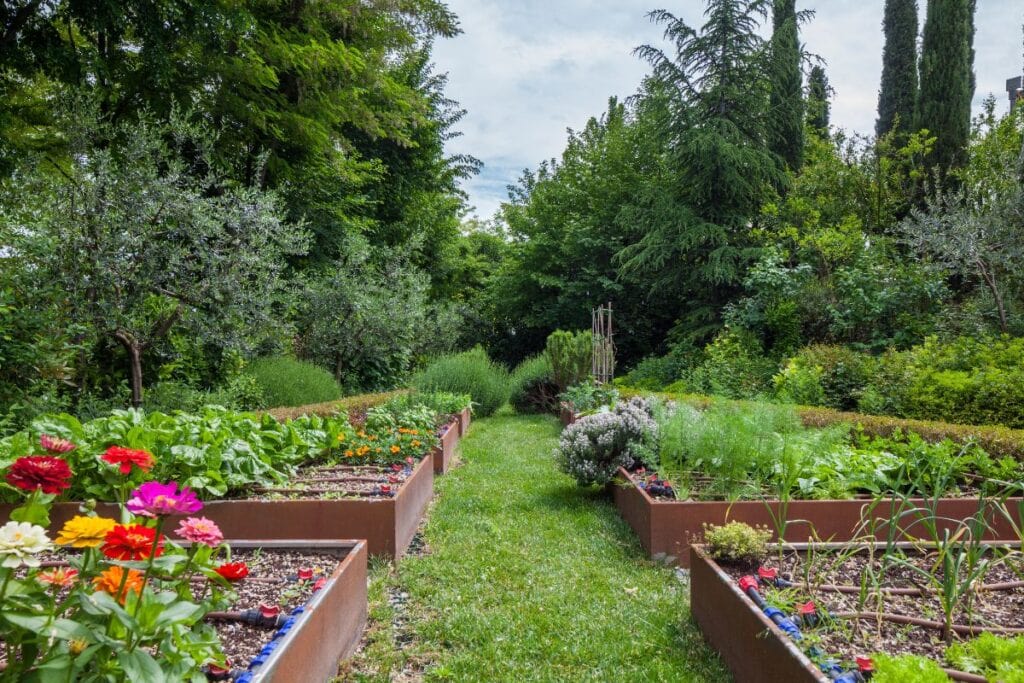
14. Raised Bed Vegetable Garden Ideas
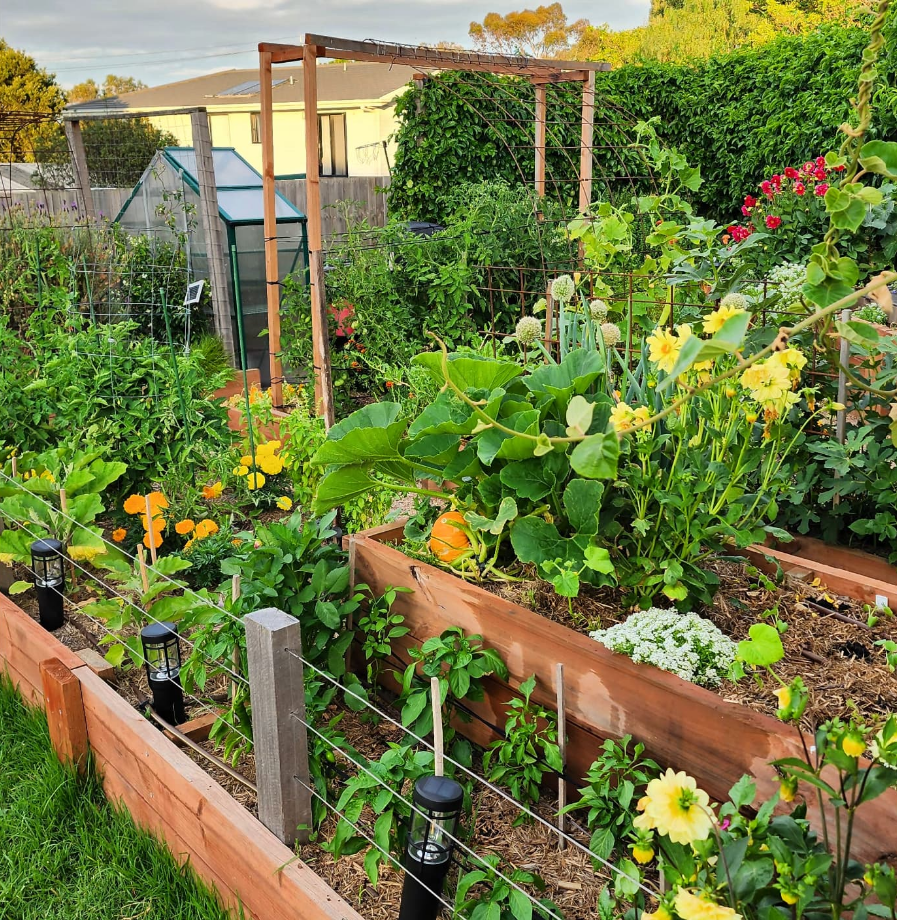
Use raised beds if you have a small yard or poor soil.
They warm up faster in spring and drain more reliably after rain.
Keep bed sizes modest so you can reach the center easily.
Many people like beds about one point two meters deep.
Fill beds with a good-quality soil and compost mix.
Start with easy crops, such as salad greens, beans, radishes, and cherry tomatoes.
Leave clear paths between beds for wheelbarrows and kneeling.
Mulch paths with bark, gravel, or stepping stones for clean access.
15. Edible Landscaping In Flower Beds
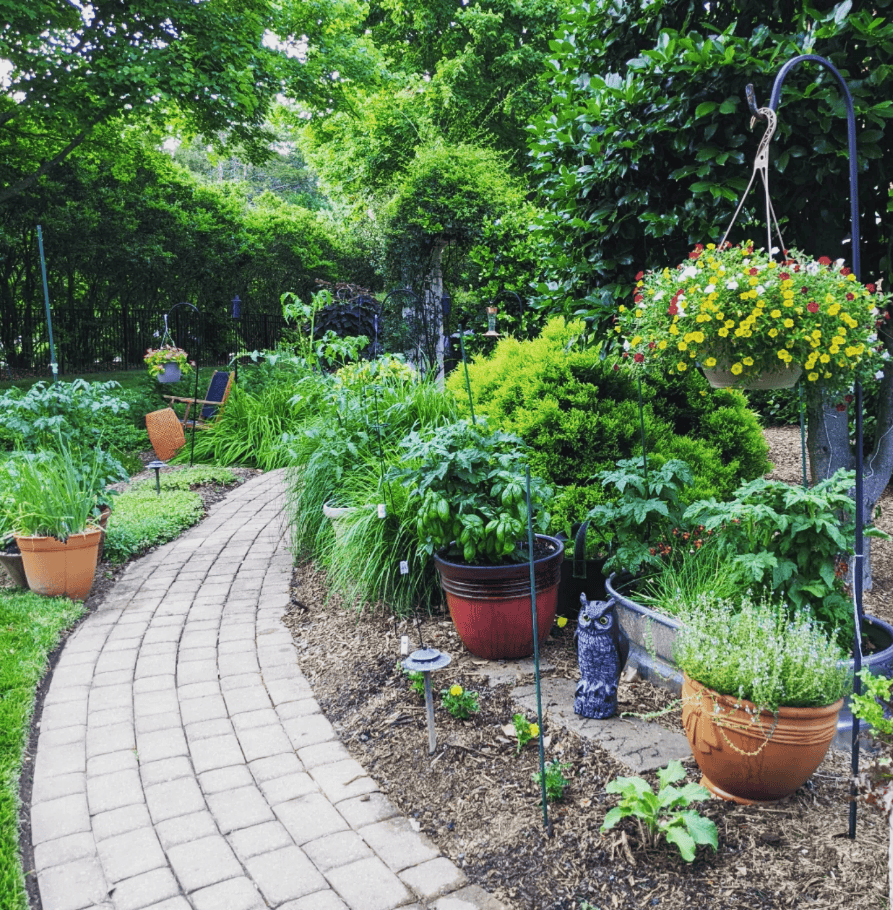
Blend edible plants into ornamental borders for a soft, natural look.
Choose varieties that stay attractive while you harvest them gradually.
Plant herbs like chives, sage, oregano, and lavender along paths and seating.
They smell lovely when you brush past, and suit mixed planting well.
Add fruit bushes, such as blueberries or currants, into shrub borders.
Mix them with flowering shrubs so the bed still looks full in winter.
Use edible flowers, like nasturtiums, calendula, and violas, near the front of beds.
They add color, attract pollinators, and brighten salads from your own garden.
16. Shrub-Based Gardens With Seasonal Interest
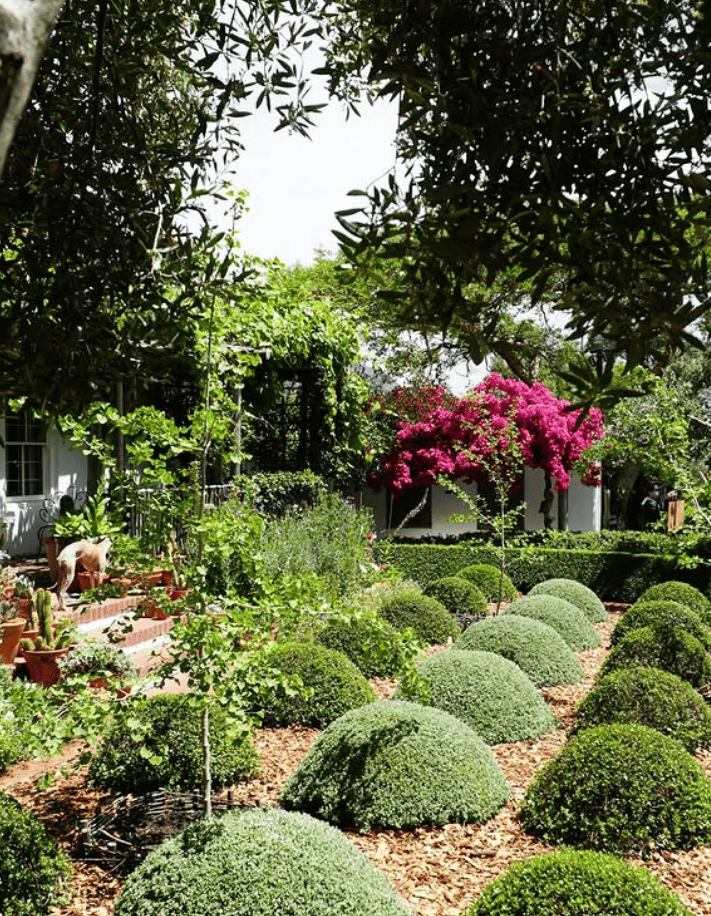
Use shrubs as the backbone of a low-care garden.
Choose a mix of evergreen and flowering shrubs for year-round structure.
Add a few long-blooming perennials in simple groups.
Repeat the same plants through the border for an easy rhythm.
Space plants with their full size in mind.
Crowded planting often means more pruning later.
Cover soil with a thick layer of mulch.
Mulch reduces weeds, keeps moisture in, and gives beds a tidy finish.
17. Gravel Gardens And Drought-Tolerant Planting
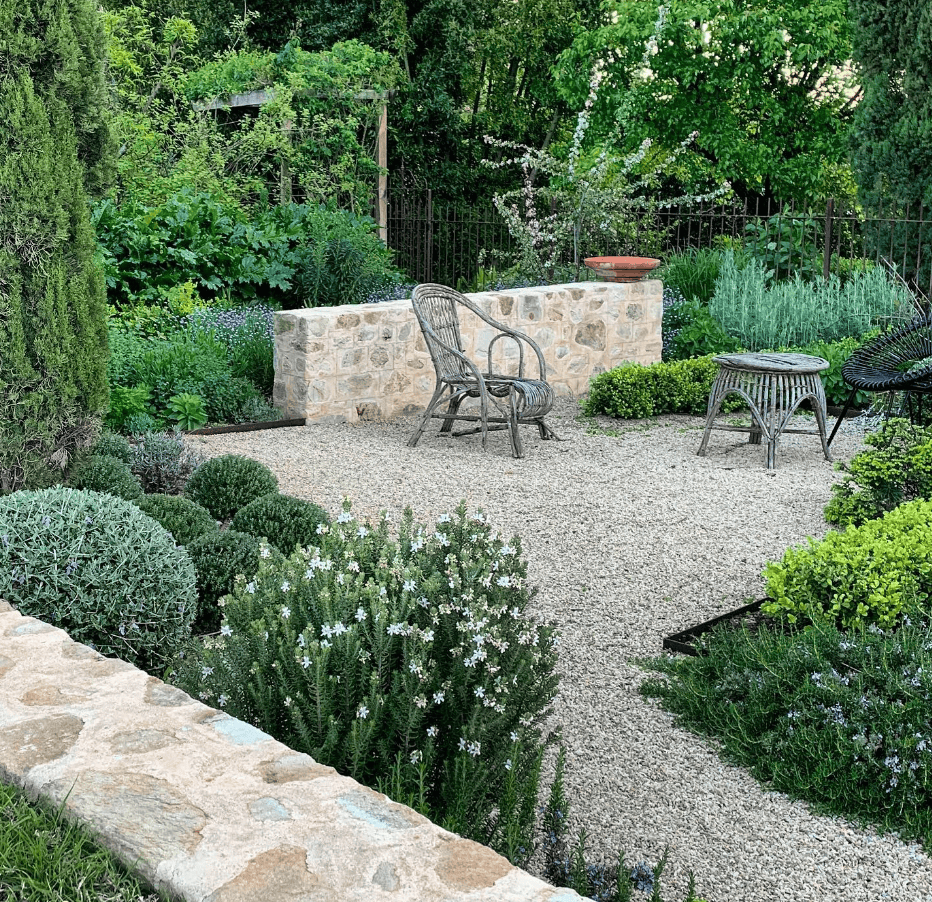
Replace thirsty lawn or high-care beds with gravel areas.
Plant drought-tolerant varieties that suit your climate and soil.
Good choices include ornamental grasses, sedum, lavender, and Mediterranean herbs.
These plants like the sun and do not mind dry spells.
Lay a weed barrier fabric and a layer of gravel first.
Cut holes and plant through, then water deeply while roots establish.
Once settled, water less often but more deeply.
This encourages strong roots and reduces your weekly workload.
Simple Watering And Care Systems
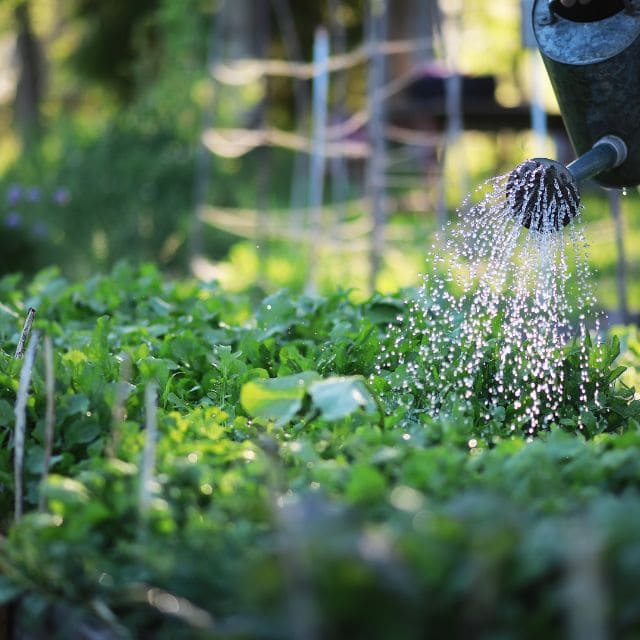
Group plants with similar water needs in the same area.
This stops you from overwatering some and underwatering others.
Use drip irrigation or soaker hoses where possible.
These systems deliver water slowly to the roots with little waste.
Attach a timer so watering happens automatically.
You can still adjust for very wet or dry weeks.
Keep basic tools in a small outdoor box or shed.
When tools sit close by, quick tidying feels easy instead of tiring.
Home Garden Ideas By Style
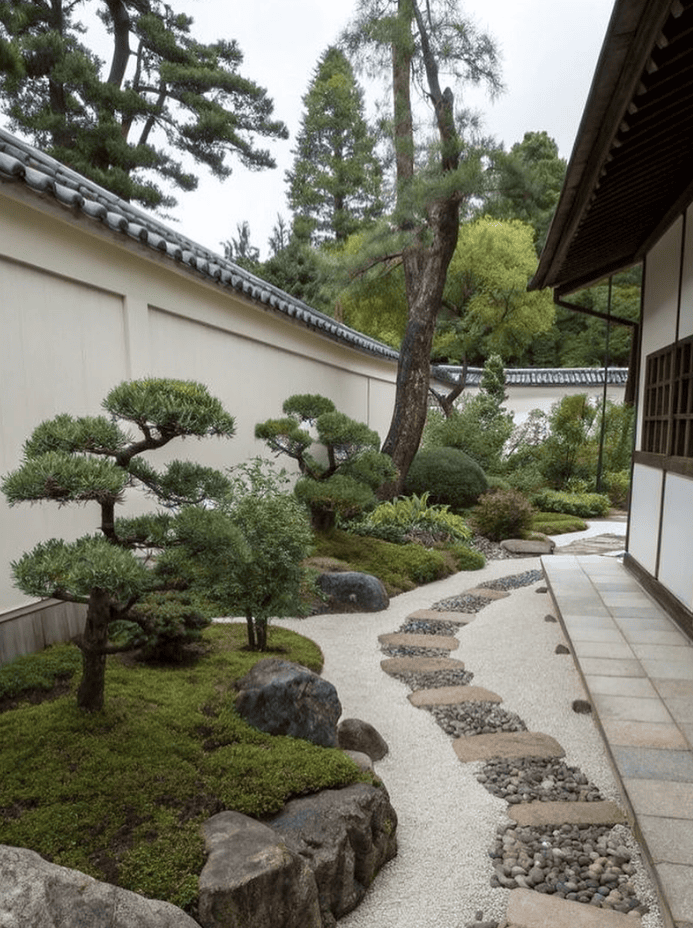
Choosing a garden style keeps decisions simpler and results more cohesive.
Use these ideas as flexible guides, not strict rules.
Modern Minimalist Garden Ideas
Stick to clean lines, simple shapes and a limited color palette.
Use large pavers, gravel or smooth decking for paths and patios.
Choose structural plants like boxwood balls, grasses and architectural succulents.
Repeat the same plant in groups rather than mixing many varieties.
Keep pots large and simple, in black, gray or concrete finishes.
Add low benches, streamlined loungers and a few strong uplights.
Modern gardens feel calm when you leave some open space.
Cottage Garden Ideas
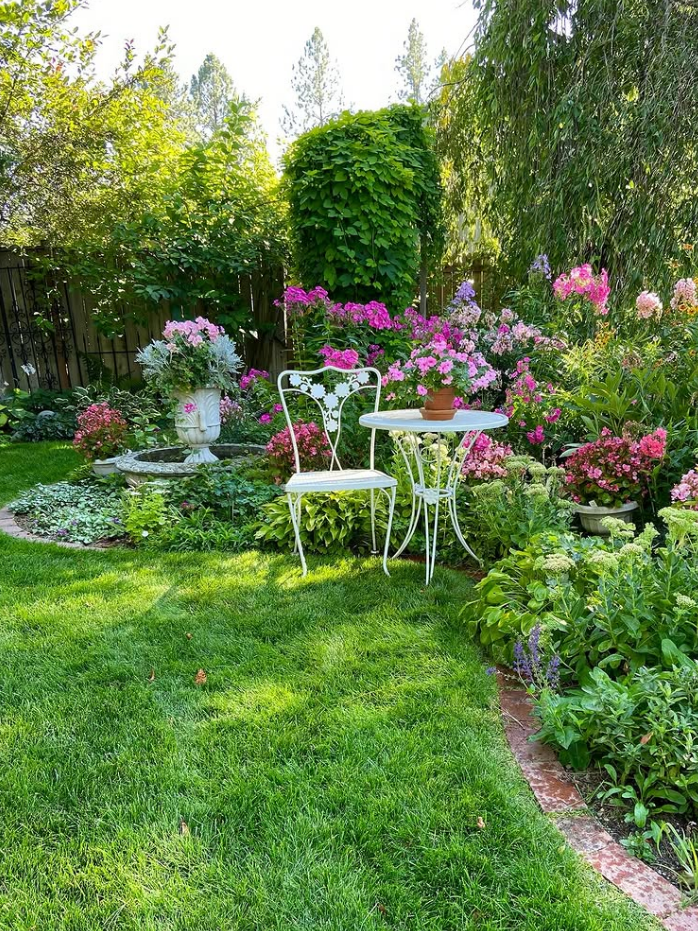
Aim for a full, romantic look with layered planting.
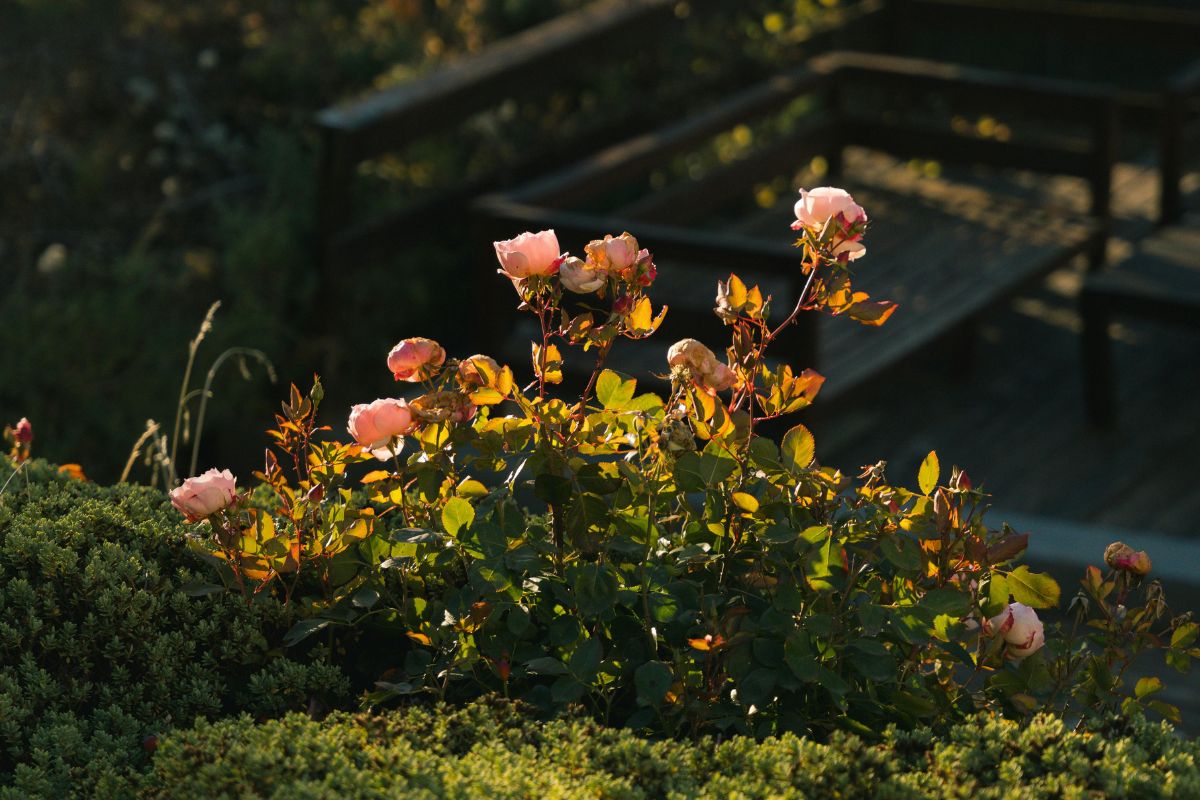
Mix roses, perennials, herbs and self seeding annuals in relaxed drifts.
Use curved beds and narrow winding paths for a storybook feel.
Let plants spill slightly over edges and steps for softness.
Add arches, trellises and simple picket or wire fencing.
Use vintage style pots, watering cans and birdbaths as accents.
Cottage gardens work best with a simple, repeated color palette.
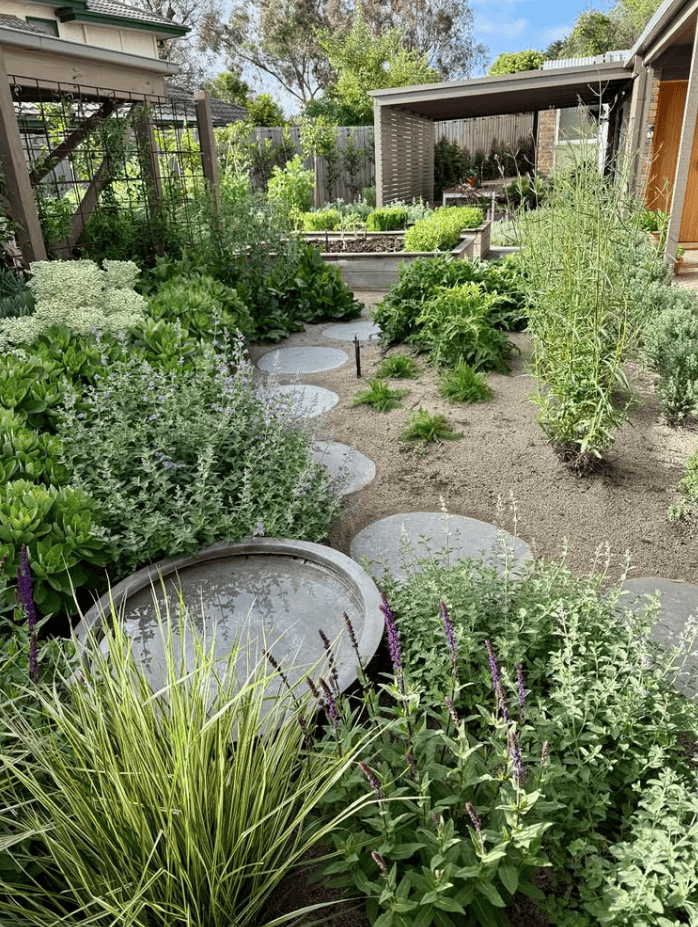
Coastal And Mediterranean Garden Ideas
Focus on plants that handle sun, wind, and occasional dryness.
Choose silvery foliage, grasses, rosemary, lavender, and other sun-loving herbs.
Use pale gravel, stone, or weathered decking for paths and terraces.
Keep furniture relaxed, low slung, and comfortable.
Add terracotta pots, lanterns, and woven textures for warmth.
Use white or pale walls and fences to bounce light.
Swaying grasses and scented herbs create an easy holiday feeling.
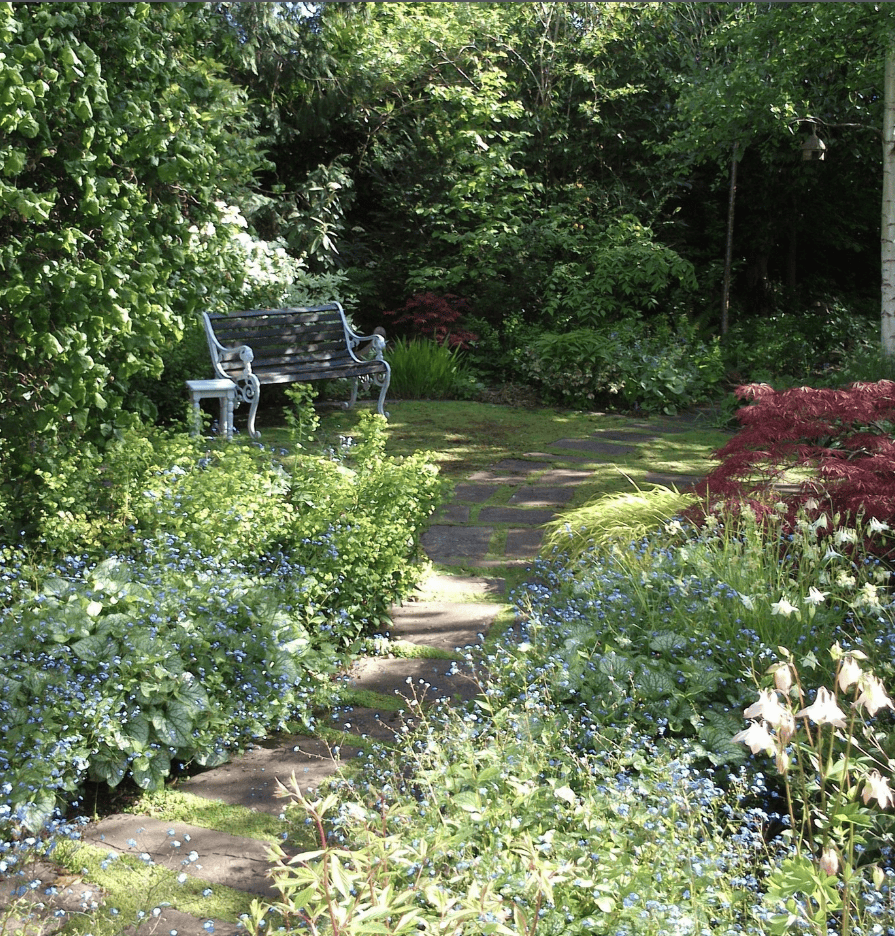
Woodland And Shade Garden Ideas
Lean into shade instead of fighting it with lawn.
Create soft, layered planting that enjoys dappled or low light.
Use ferns, hostas, heuchera, brunnera and spring bulbs as core plants.
Mix larger leaves with fine textures for contrast and depth.
Lay winding bark or gravel paths between beds.
Edge them with simple logs, stones or low ground covers.
Add subtle lighting at ground level to highlight trunks and foliage.
A small bench or chair turns the shade into a quiet retreat.
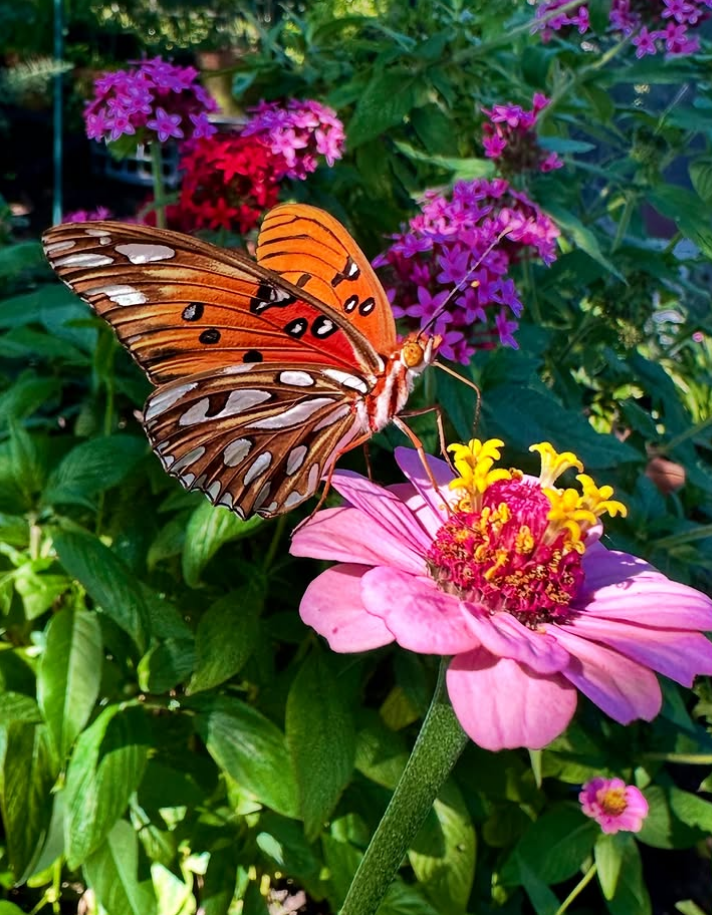
Wildlife-Friendly And Pollinator Garden Ideas
You can enjoy a beautiful garden and support wildlife at the same time.
A few plant choices and simple features make a big difference.
Attract Bees, Butterflies And Birds
Plant nectar rich flowers that bloom from early spring through late autumn.
Mix different shapes, such as spikes, daisies, bells and clusters, to suit various pollinators.
Choose native plants that match your local climate and soil.
They support more insects and usually need less care once established.
Include seed heads, berries and nectar for birds.
Plants like coneflowers, sunflowers and berry shrubs feed wildlife across several seasons.
Leave some stems standing over winter. They shelter insects and provide food for birds.
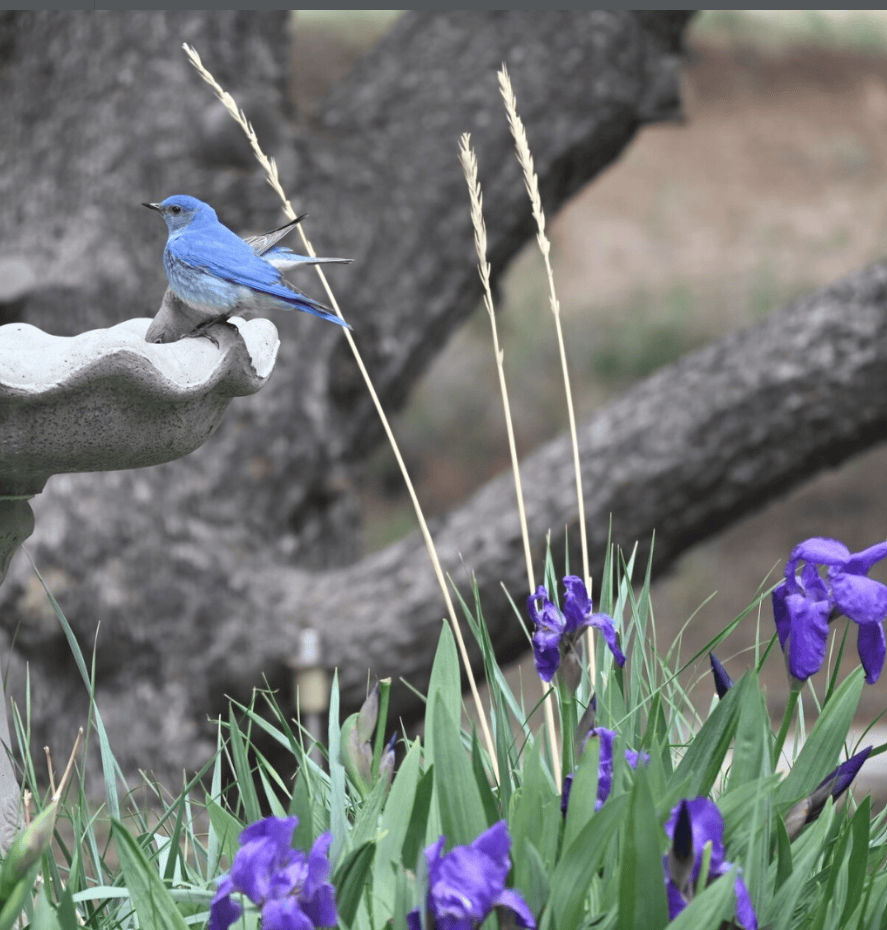
Small Wildlife Garden Ideas For Patios And Balconies
Use pots and window boxes if you lack ground space.
Fill them with nectar rich flowers, herbs and small shrubs.
Choose long flowering plants, such as lavender, salvia, verbena and compact buddleia.
They attract bees and butterflies for many months.
Hang a small bird feeder where rules allow and birds stay safe.
Place it away from large windows to reduce collisions.
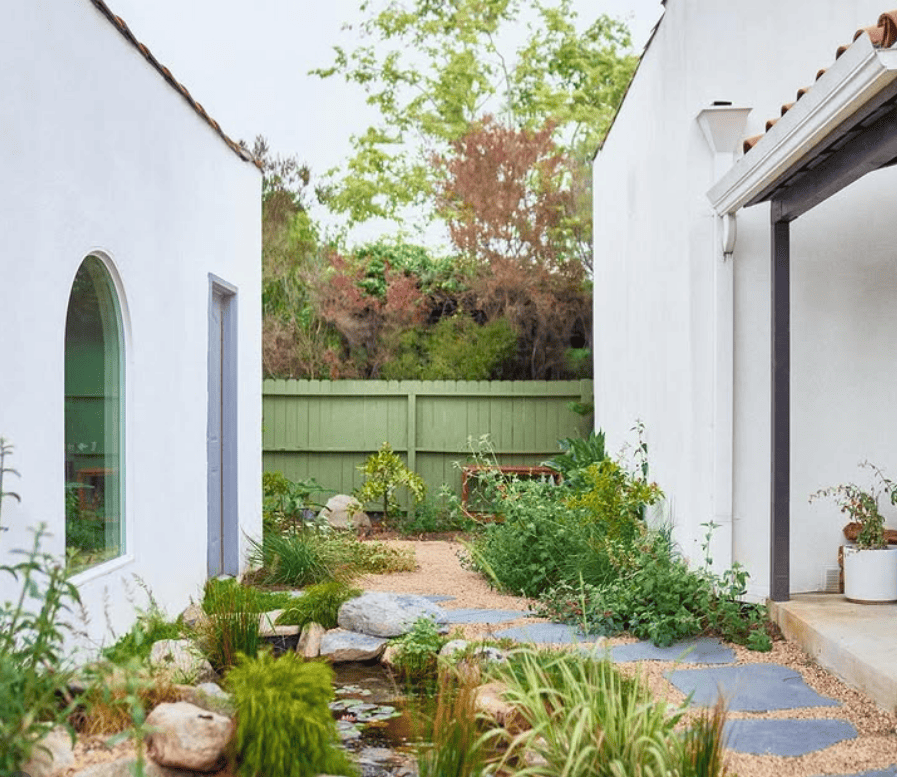
Add a shallow saucer of water with stones inside.
It gives bees and small birds a safe place to drink.
Simple Habitat Features
Create tiny wild corners instead of perfect neatness everywhere.
Leave a small patch of grass longer and include clover and daisies.
Stack a few logs or rocks in a quiet spot.
They shelter beetles, frogs and other helpful creatures.
Plant dense shrubs or hedges for nesting and cover.
They protect birds from wind, sun and predators.
Avoid pesticides whenever possible.
Healthy, diverse planting usually brings natural balance and fewer pest problems over time.
Home Garden Ideas For Renters And Low Commitment Projects
You can have a beautiful garden even when you rent.
Focus on pieces that move easily and do not mark the property.
Portable Planters And Furniture
Use containers instead of digging into the ground.
Choose lightweight pots made from resin, fiberglass or plastic.
Group pots in threes for a fuller look.
Mix heights with stands, steps or low stools.
Add freestanding trellises for climbers like sweet peas or beans.
Place them inside pots so nothing fixes to walls.
Pick folding or stackable furniture.
You can move it quickly or take it with you later.
Non-Permanent Ground Covers And Paths
Lay an outdoor rug to define a seating area.
Choose a size that leaves a border of deck or patio visible.
Use loose gravel or bark to mark simple paths.
Lay weed fabric first so you protect the ground underneath.
Place stepping stones on top of gravel for a cleaner walk.
Do not set them in concrete, so removal stays easy.
Use solar lights along edges.
They need no wiring and lift straight out when you leave.
Quick Garden Makeovers On A Budget
Start with the basics, weeding, sweeping and a good tidy.
Clean hard surfaces and trim overgrown plants before buying anything.
Top beds and pots with fresh mulch or gravel.
This simple step makes everything look newer and more deliberate.
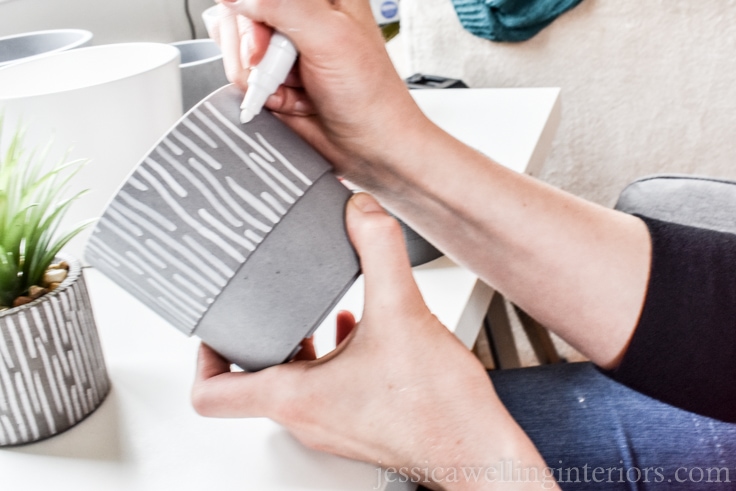
Repaint existing pots, fences or furniture in one or two colors.
A consistent palette pulls mixed pieces together immediately.
Divide established plants and swap with friends or neighbors.
You fill empty spots for free and add variety fast.

Garden Lighting Ideas
Plan lighting so you enjoy the garden after dark.
Think about safety, atmosphere and highlighting favorite features.
Use solar stake lights along paths, steps, and driveways.
They improve safety and need no wiring or timers.
Hang string lights over dining and seating areas.
Drape them between fences, pergolas, or trees for a gentle glow.
Add a few spotlights at ground level.
Aim them at trees, larger shrubs, or textured walls for depth.
Keep light levels soft and warm.
Harsh, bright lighting feels more like a car park than a retreat.